
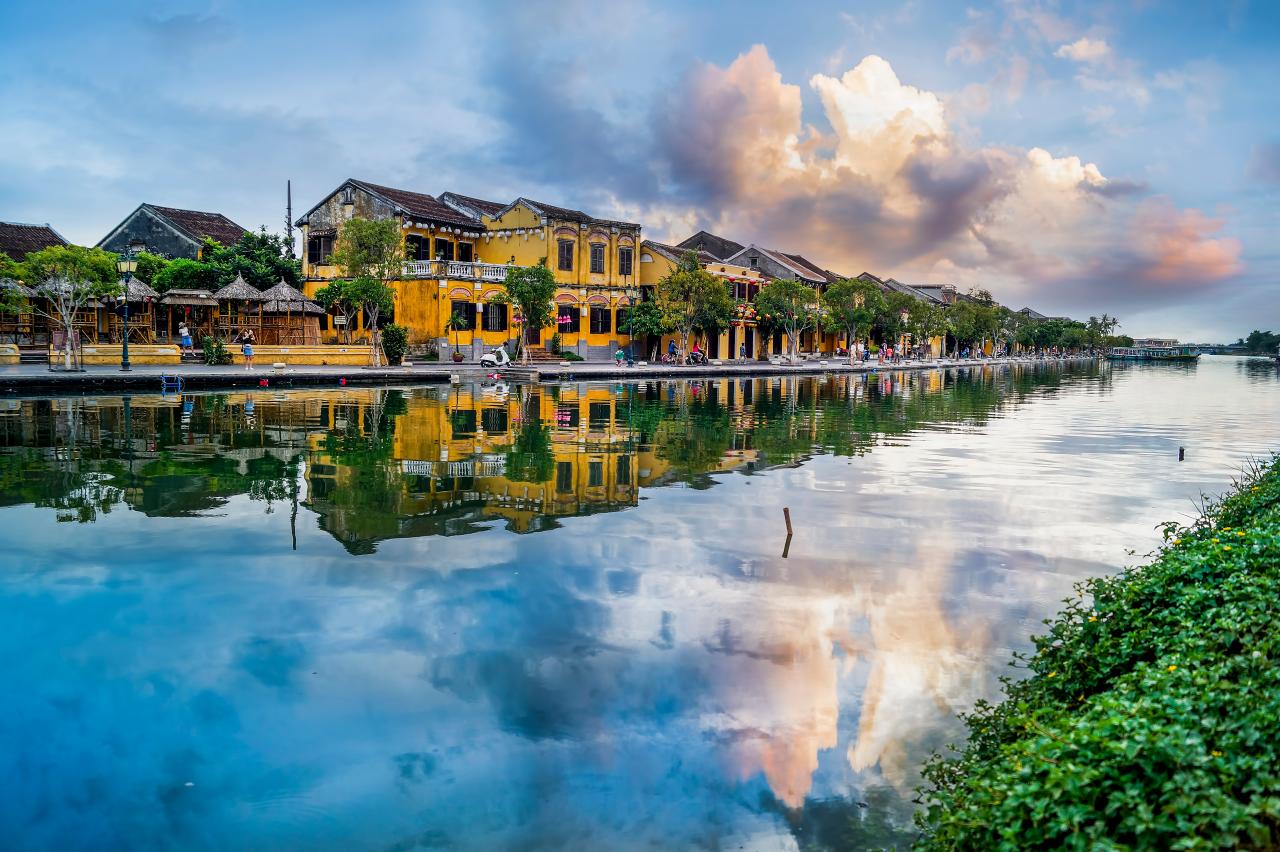
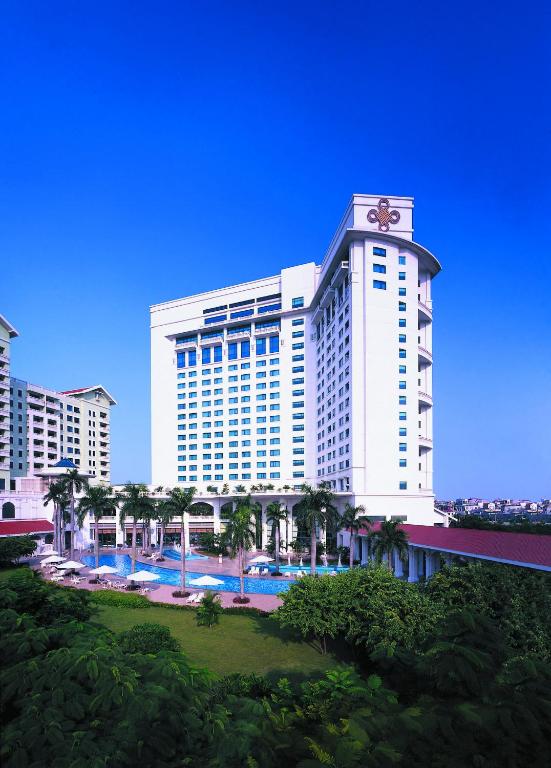
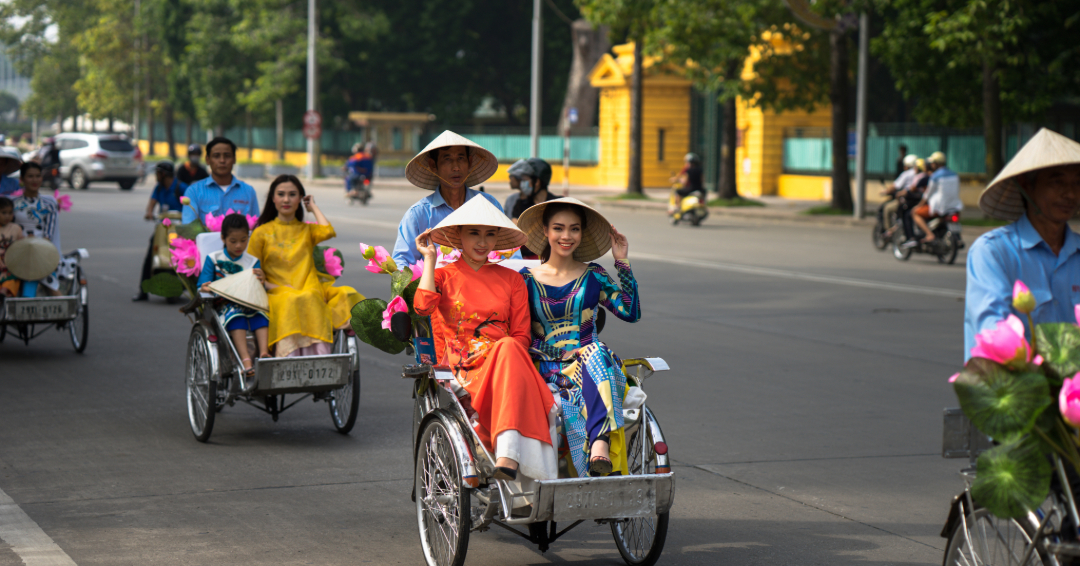
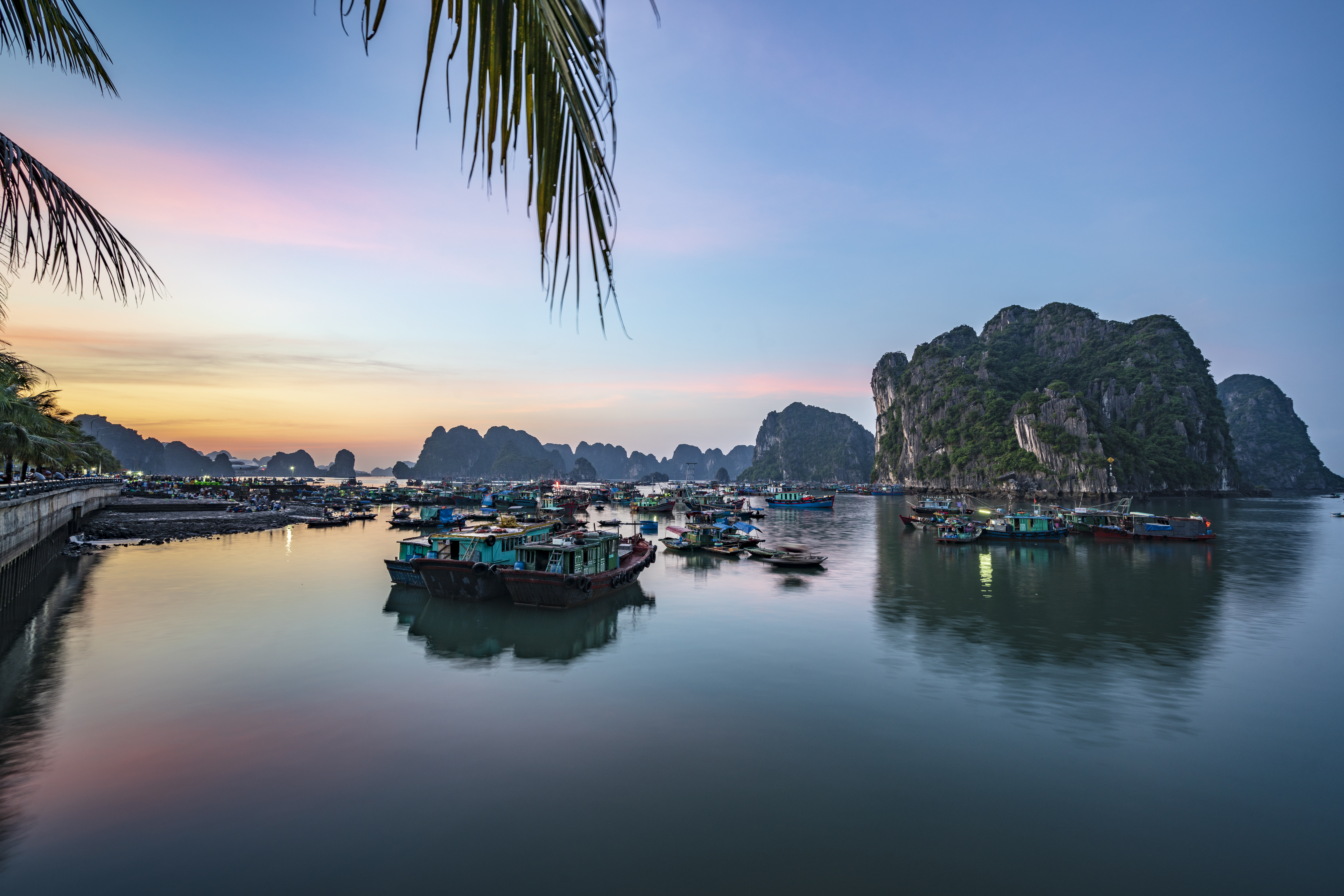
Image Gallery

Royal Rajasthan
2N Munar | 1N cochin






Trip Highlights
- Hanoi City Tour
- Ninh Binh City Tour - Thung Nang
- Halong Bay Day Cruise Tour
Note: The highlights and sightseeing's may change depending on the departure date you choose.
Package Category
Trip Summary
-
 5 Activities
  6 Transfers
At the Delhi International Airport you will be received by a Trans India Holidays representative and he will escort you to the hotel and will help you with the check in formalities. Your Royal Rajasthan Package starts from the Capital, Delhi, an active city, with an ideal combination of the ancient and the contemporary era. Delhi has two visible parts: New Delhi, the city created by the British, as the royal capital of India in 1911. The Old Delhi which was considered as the Muslim capital of India between the 17th and the 19th century. There are at least eight cities on the location of modern Delhi among which Indraprastha is one of the first recognized settlements, highlighted in the epic Mahabharata over 3000 years ago. Nevertheless, Delhi has always been one of the major cities in the northern region of the subcontinent.
Private Transfer
Airport Pickup
Stay At : Hotel name
Stays will be allocated based on availability or similar category
Stay Category : Deluxe
 Breakfast and Dinner
 Activities
"La Perle by Dragone" is a must-see Dubai show featuring acrobatics and aquatic stunts in a custom-built theatre. With a Bronze ticket, enjoy a pre-fixed dinner at one
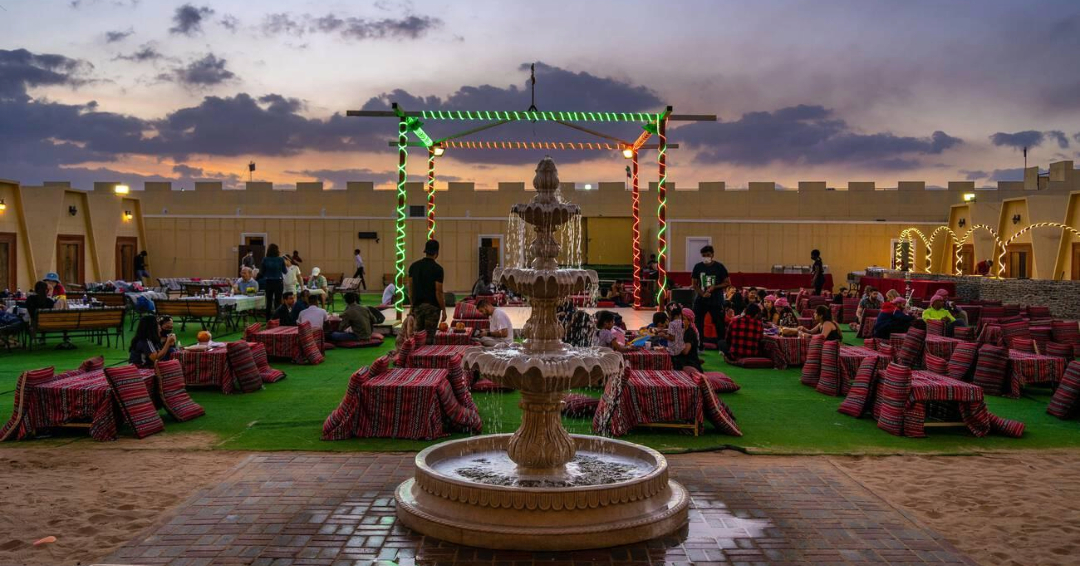
Desert Safari with BBQ Dinner
After the breakfast, the tour guide will pick you up from the hotel and take you for a guided sightseeing of Old and New Delhi .The Tour includes the following places: Red Fort: The World Heritage Site listed by UNESCO, the fortress dates back to the Mughal era. The name is adopted from the red sandstone that is used for the fortress. Set beside the River Yamuna, the fort boundaries are over 2.4 kms in perimeter . In 1638 constrcutiom began on orders of Mughal Emperor Shah Jahan and was completed in 1648. The major attractions include a Diwan-e-Am (Hall for public audience), a Rang Mahal (a water- cooled apartment of royal ladies) and a Pearl Mosque, which was constructed with white marble. The two hallways of the Red fort are: a) The Delhi gate and b) The Lahori gate, and both this gates face the renowned Chandni Chowk. Jama Masjid: One of the country’s major mosques where huge number of Muslims offer their prayers, Jama Masjid was constructed by Shah Jahan as an architectural extravaganza in 1658. The wonders of construction are visible in the long stretches of stairs and the hefty courtyard. Chandni Chowk (Silver Street): The vibrant streets of Chandni Chowk is one of the famous shopping spots of Old Delhi. Among the country’s best known extensive market for textiles, electronic goods and watches. Entire Chandni Chowk was designed by Jahanara Begum, Shah Jahan’s beloved daughter and was then populated by the well-to-do families of that time. The famous Paranthawale Gali here is known for its mouthwatering paranthas is also positioned in Chandni Chowk. The famous gold market, Dariba Kalan is also situated here. Raj Ghat: Honoring the Mahatma Gandhi, the Father of the Nation, Raj Ghat is an elementary square platform of black marble on the banks of Yamuna River. A dedicatory ritual is still performed every Friday, in his memory. Birla Mandir: The popular prayer site of Birla Mandir comprising of idols of numerous divinites of Hindu Mythology is among the must-visit places in Inda. It is situated close to Connaught Place. In 1938, an industrial Raja Baldev Birla constructed the Birla Mandir. India Gate: India Gate is a free standing, 42 meter high arch. It was built in 1931 and was formerly called the All India War Memorial in the memory of the 90,000 soldiers of the Indian Army who died in World War I. The names of the warriors are engraved all along the walls of the arch. The eternal flame was lit here to honor the Amar Jawan (Immortal Soldier), in 1971. Rashtrapati Bhavan (President’s House): The Rashtrapati Bhawan is the authorised dwelling place of the President of India. The residence was designed by Lutyens and was the official residence of the Viceroy when the British ruled India. Humayun’s Tomb: Nine years after the death of Humayun, Haji Begum (widow of Humayun) built this tomb in 1565-66 in his memory. Listed as a World Heritage Site, the mausoleum is said to be the inspiration behind the wonderful Taj Mahal. Qutub Minar: The outstanding building in the Southern part of the capital was constructed by a Muslim King, Qutub-ud-din Aibak in 1199 A.D. The Minar (tower) was 72.5m tall and its base is a mosque. The archaeological park too is one of the World Heritage Sites in Delhi. Bahai’s Temple: A very new architectural wonder, one of the most popular sites in Delhi is the temple of the Bahai sect. This temple is visible from quite a lot of spots in South Delhi. This temple is molded in the shape of a Lotus and has precisely been given the name. Overnight stay in Delhi.
Private Transfer
Airport Pickup
Stay At : Hotel name
Stays will be allocated based on availability or similar category
Stay Category : Deluxe
Breakfast and Dinner Activities
"La Perle by Dragone" is a must-see Dubai show featuring acrobatics and aquatic stunts in a custom-built theatre. With a Bronze ticket, enjoy a pre-fixed dinner at one
Desert Safari with BBQ Dinner
After a relaxing breakfast at the hotel, travel by road to Neemrana, the next destination on your Royal Rajasthan tour. The drive from Delhi to Neemrana is approximately two hours, Neemrana is situated almost midway between Delhi and Jaipur. The Neemrana Fort Palace is considered to be one of the oldest and the finest Heritage Hotels in Rajasthan. Located on a hill, this luxurious fort is constructed over 10 levels, with rooms and suites. This rooms and suites are furnished with a selective collection of conventional and colonial furnitures, relics and objects d’art. Most rooms have private balconies or sunshades. And the loos are designed to have views. On your arrival at the fort, you are free to explore the Neemrana Fort Palace. The rest of the day is free for you to relax. You can take walks around the village and enjoy the beautiful scenic beauty of the fort. The Fort also has a luxurious swimming pool and a well equipped Ayurvedic spa, for relaxing and rejuvenating you. Overnight stay at the Neemrana Fort.
Private Transfer
Airport Pickup
Stay At : Hotel name
Stays will be allocated based on availability or similar category
Stay Category : Deluxe
Breakfast and Dinner Activities
"La Perle by Dragone" is a must-see Dubai show featuring acrobatics and aquatic stunts in a custom-built theatre. With a Bronze ticket, enjoy a pre-fixed dinner at one
Desert Safari with BBQ Dinner
After a relaxing breakfast at the Neemrana Fort, you will then start your drive to Mandawa, the next stop at the Royal Rajasthan Tour. Mandawa - Mandawa is a very beautiful small town in the Jhunjhunu district, which is also a part of the Shekhawati region. Mandawa is famous for its painted havelis. The semi deserted region of Shekhawati is popularly known as the ‘open-air art gallery’ of Rajasthan. This region has hundreds of havelis, temples, monuments, wells and forts. On your arrival at Mandawa, take your time to explore the castle. Castle Mandawa is a perfect place to discover the heirloom of the 18th century paintings that ornament the havelis of this beautiful town. It has covered balconies and turreted battlements. It also offers a modern comfort with a old world charm. The highlight of your stay is a royal repast, where the guests dine under the stars, entertained by Rajasthani fire dancers. A two hundred and forty year old fortress, which has been converted by the family into a fine example of traditional hospitality. Later in the afternoon the guide will take you for a guided tour of Mandawa. And the tour includes the following places of interests: Aath Haveli Complex, Anandila Poddar Haveli, Bansidhar Bhagat Haveli & Chokhani Haveli. Overnight stay at the Mandawa Castle.
Private Transfer
Airport Pickup
Stay At : Hotel name
Stays will be allocated based on availability or similar category
Stay Category : Deluxe
Breakfast and Dinner Activities
"La Perle by Dragone" is a must-see Dubai show featuring acrobatics and aquatic stunts in a custom-built theatre. With a Bronze ticket, enjoy a pre-fixed dinner at one
Desert Safari with BBQ Dinner
After a relaxing breakfast at the hotel, your next destination on the Royal Rajasthan tour Package is the desert town of Bikaner. Bikaner - Rao Bikaji, second son of the founder of Jodhpur, established Bikaner. The old city stands on a slightly high ground delimited by a fortified wall. The Ganga canal, which was constructed between 1925 and 1927, fetched fortune to this otherwise dry desert region. On your arrival at the Bikaner hotel, you will be met by our representative and he will assist you with the check in formalities. Later, the tour guide will pick you up from the hotel for a guided sightseeing tour of Bikaner. Tour includes visit to the following places of interest: Junagarh Fort & Museum: The Junagarh fort was built in the late 16th century by Raja Rai Singh, a general in the army of Akbar, the Mughal emperor. The Fort lodged palaces inside it and many Maharajas added comfortable suites to it. There are beautiful halls in the fort like Diwan-e-khas (private audience hall), Anup Mahal, Badal Mahal, Gaj Mandir and Hawa Mahal. The Fort also houses an interesting collection of royal vestments, armory (enormous bore guns used from the back of the camels), Maharaja Ganga Singh’s 56 kilogram suit of armor, sword with ivory and crystal handles and a biplane presented to Ganga Singhji by the British during World War I. Only two models of this plane were apparently made. Ganga Golden Jubilee Museum: The Ganga Golden Jubilee Museum is a vault for some of the most incredible collection of antiquity. The museum has been branched into various sections according to the order and historical importance of the exhibits. In this museum we can see Traditional Rajasthani musical instruments, terracotta ware, the Silk Robe of Prince Salim along with the delicate collection of miniatures from across the desert, antique carpets and royal garments. You can also see the war weaponary and the Litho prints of the British Empire. Some of the old photographs, trophies are also on the view. Overnight stay in Bikaner.
Private Transfer
Airport Pickup
Stay At : Hotel name
Stays will be allocated based on availability or similar category
Stay Category : Deluxe
Breakfast and Dinner Activities
"La Perle by Dragone" is a must-see Dubai show featuring acrobatics and aquatic stunts in a custom-built theatre. With a Bronze ticket, enjoy a pre-fixed dinner at one
Desert Safari with BBQ Dinner
After a relaxing breakfast at the hotel, you will be met by our representative and he will help you with the check out formalities. You will then start your drive to Jaisalmer, the next and perhaps the most thrilling destination of your Royal Rajasthan tour. Jaisalmer - Jaisalmer was established by the head of the Bhati sect, Rawal Jaisal Singh in 1156 A.D. It is called the golden ciy of the Thar Desert, because yellow sand and yellow sandstone is used in most of the buildings in the city. Jaisalmer was declared a National Heritage City in 1974 and since then the town has been very well maintained and protected for the pleasure of the tourists. The vicinity of Jaisalmer is the dwelling for many rare desert flora and fauna. On your arrival at the Jaisalmer hotel, you will be met by our representative and he will help you with the check in formalities. You are free for the rest of the day. You can either relax and enjoy the hotel facilities or explore the city. Overnight stay in Jaisalmer.
Private Transfer
Airport Pickup
Stay At : Hotel name
Stays will be allocated based on availability or similar category
Stay Category : Deluxe
Breakfast and Dinner Activities
"La Perle by Dragone" is a must-see Dubai show featuring acrobatics and aquatic stunts in a custom-built theatre. With a Bronze ticket, enjoy a pre-fixed dinner at one
Desert Safari with BBQ Dinner
After a leisurely breakfast at the hotel, you will be picked up by the tour guide from the hotel and he will take you for a guided sightseeing tour of Jaisalmer. Tour includes the following places of interest: Jaisalmer Fort: The Jaisalmer Fort was constructed in 1156 by the Bhati ruler, Rao Jaisal. This fort stands over the 80 m tall Trikuta hill, and is delimited by 3 walls and 99 bastions. The Golden sandstone fort over the centuries witnessed many battles between the Bhatis, Mughals and the Rathores of Jodhpur. The Jaisalmer Fort is said to be the oldest and largest living Fort in the World. Jain Temples: In the fort complex there are many beautifully carved Jain Temples constructed in the 12th and the 15th century. The Maharawals (rulers) of Jaisalmer were sincere Hindus, but were humane on Jainism and encouraged art and religion. There are seven Temples in the complex: Chandraprabhu, Parasnath, Shitalnath, Sambhavanth, Shantinath, Kunthunath and Rikhabdev Temple. All this temples are connected by an array of halls and alleys. The Gyan Bhandar, a library established in 1500 A.D. is also close to the Fort. This Library stocks some of the priceless manuscripts and other displays like the astrological charts. Laxminath Temple: The Laxminath Temple is situated in the heart of the Fort. This Temple is one of the less decorative temples in the fort. It displays an exciting dome of fine paintings. Havelis: Jaisalmer has vouched for different forms of construction in different eras. It has witnessed the dominating Rajputana architecture as well as the blend of the Rajputana and delicate Islamic architecture. Havelis are the places, which served as the dwelling place of the ministers and the landlords and they commission these Havelis to show their social status in the society. Patwon ki Haveli is the most elegant and palatial of all the Jaisalmer havelis. This haveli was consructed between 1800 and 1860 by five Jain brothers. Salim Singh ki Haveli and Nathmal ki Haveli are the other two havelis that are open to visitors. Gadi Sagar Tank: Gadi Sagar Tank was once the source of water supply to the city. The tank is encircled by shrines and temples and a variety of waterfowl can be spotted here in the winter months. Later in the evening, a visit to the Sam Sand Dunes. Just outside the city of Jaisalmer, lie the panoramic dunes of Sam, a visit to which will remain in your memory as one of the highlights of your Rajasthan tour. The spirits of the desert, the ripples of the Dunes create a fascinating mirage that stretches for miles and miles. The tour includes a short camel ride, giving you wonderful views of the sunset over the dunes. Overnight stay in Jaisalmer.
Private Transfer
Airport Pickup
Stay At : Hotel name
Stays will be allocated based on availability or similar category
Stay Category : Deluxe
Breakfast and Dinner Activities
"La Perle by Dragone" is a must-see Dubai show featuring acrobatics and aquatic stunts in a custom-built theatre. With a Bronze ticket, enjoy a pre-fixed dinner at one
Desert Safari with BBQ Dinner
After a relaxing breakfast at the hotel, you will be met by our representative and he will help you with the check out formalities. The next destination on your Royal Rajasthan tour is Khimsar. Khimsar - Khimsar located at the edge of the Thar Desert, is the small village hamlet of Khimsar, which houses the Khimsar Fort, now one of India’s finest heritage hotels. The Khimsar Fort with it’s battle-scarred walls and towers retells the glorious pasts in India, and offers a wide range of experiences to the guests. On arrival at Khimsar, check into the Khimsar Fort. Later in the afternoon, you will be driven from the Khimsar Fort on a four wheel drive vehicle through the nearby villages to an area considered as a Black Buck Reserve. The Black Bucks are a rare species of Deer, and are only found in this area. This one hour Safari will be followed by a picnic tea stop on the famous Panchala Sand Dunes to witness the sun dipping into the amazing desert. The Khimsar Fort also offers Camel safaris to other neighboring sand dunes. Overnight stay at Khimsar Fort.
Private Transfer
Airport Pickup
Stay At : Hotel name
Stays will be allocated based on availability or similar category
Stay Category : Deluxe
Breakfast and Dinner Activities
"La Perle by Dragone" is a must-see Dubai show featuring acrobatics and aquatic stunts in a custom-built theatre. With a Bronze ticket, enjoy a pre-fixed dinner at one
Desert Safari with BBQ Dinner
After a relaxing breakfast at the Khimsar Fort, you will then start your drive to Rohet Garh, the next stop on your Royal Rajasthan Tour, enroute stopping at Jodhpur, for a guided tour. Jodhpur - Jodhpur is famous as the 'blue city' because of its blue cottages. The lively desert city of Jodhpur stands at the fringe of the Thar Desert and is the second major city of Rajasthan after Jaipur. The city is differentiated by a huge fort that covers a sheer rocky ridge rising in the heart of the town. The old city is still delimited by a 10-km long wall, made about a century after Jodhpur was established. There are eight gates leading out of the old city. You can take a stroll through the beautiful winding streets. The city of Jodhpur was founded in 1459 by Rao Jodha, the chief of a Rajput clan known as Rathores and was earlier called Marwar Sightseeing in Jodhpur, includes visits to the following places: Mehrangarh Fort: Rested on a hilltop, it takes five kilometres by a curvy road to reach Mehrangarh. Mehrangarh is considered by many as the most striking fort in Rajasthan. Initially built by Maharaja Jodha Rao, the fort was further succeeded by the rulers of Marwar. Of the seven huge gates to the fort, a few like Jayapol and Fatehpol were built to celebrate Marwar rulers' victories over countless enemies. Inside the fort is a series of courtyards and palaces. If you enter through Surajpol, the Jodhpur Museum stocks a brilliant collection of relics of Rajasthan. Jaswant Thaada: Located close to the Mehrangarh Fort, is the white marble war memorial of Maharaja Jaswant Singh II, known as the Jaswant Thada. After the sightseeing, continue your drive to Rohet Garh. Rohet Garh -Rohet Garh is located just 45 kms away from Jodhpur. Over the course of almost 25 years Rohet Garh has been cherished and refined with great love and care by the family into one of the best heritage Hotels in the Country. It is situated on the bank of a lake and set in the midst of rural surroundings.. A grand swimming pool with four attractive porches lures you for a refreshing dip. The dinner is mostly served by the poolside as the folk artists vivify the atmosphere. A stylish lounge, quiet verandahs and sunshades with breathtaking views, makes it perfect for rejuvenating. Overnight stay in Rohet Garh.
Private Transfer
Airport Pickup
Stay At : Hotel name
Stays will be allocated based on availability or similar category
Stay Category : Deluxe
Breakfast and Dinner Activities
"La Perle by Dragone" is a must-see Dubai show featuring acrobatics and aquatic stunts in a custom-built theatre. With a Bronze ticket, enjoy a pre-fixed dinner at one
Desert Safari with BBQ Dinner
The morning is for you to relax and enjoy the surrounding and the facilities of Rohet Garh. Later in the afternoon, take a safari through the nearby Bishnoi villages. The Bisnois are said to be the Premier ecologists of the world, who have protected nature for over 500 years, and are responsible for the survival of several animal species including the Black Bucks. The Village Safari gives visitors the privilege of visiting the homes of the villagers , and interacting with them. Overnight stay at Rohet Garh.
Private Transfer
Airport Pickup
Stay At : Hotel name
Stays will be allocated based on availability or similar category
Stay Category : Deluxe
Breakfast and Dinner Activities
"La Perle by Dragone" is a must-see Dubai show featuring acrobatics and aquatic stunts in a custom-built theatre. With a Bronze ticket, enjoy a pre-fixed dinner at one
Desert Safari with BBQ Dinner
After a relaxing breakfast at Rohet Garh, you will then start your drive to the next destination on the Royal Rajasthan tour, Deogarh. Deogarh: Ideally located, in the heart of the Aravalli Hills, less than 3 hours drive from Udaipur, is the Deogarh Mahal. Lovingly restored, by one of the nicest and the friendliest families of Rajasthan, the Deogarh Mahal is one of the best Heritage Hotels in Rajasthan. Deogarh has a spectacular swimming pool, and several roof terraces, courtyards, and walkways. The beautiful and conventional bedrooms are the result of a great deal of hard work, immense love, and care. The surroundings of Deogarh are one of the friendliest and the safest to dip yourself in. The rest of the day is free for you to either relax and enjoy the facilities of the Deogarh Mahal or explore the surrounding village and its colourful bazaars. Overnight stay at Deogarh Mahal.
Private Transfer
Airport Pickup
Stay At : Hotel name
Stays will be allocated based on availability or similar category
Stay Category : Deluxe
Breakfast and Dinner Activities
"La Perle by Dragone" is a must-see Dubai show featuring acrobatics and aquatic stunts in a custom-built theatre. With a Bronze ticket, enjoy a pre-fixed dinner at one
Desert Safari with BBQ Dinner
After a leisurely breakfast at the Deogarh Mahal, you will start your drive to Udaipur, your last destination on the Royal Rajasthan tour package. Udaipur - Udaipur, literally meaning “the city of Sunrise”, was established by a Rajput King, Maharana Uday Singh, in 1567, and this city is now also known as the “city of Lakes” and also the “Venice of the East” Udaipur is a moony lake city with its marble whims, attractive hibiscus-covered gardens and elegant fountain porches, which symbolize the glory of Rajput era. Like many other cities in Rajasthan, Udaipur is the heirloom of an honor-bound race that loved the good things in life and often gave up their lives protecting them. On your arrival at the hotel in Udaipur, you will be again be met by our representative and he will assist you with check in formalities. Rest of the day is free for you to either relax and enjoy the facilities at the hotel or explore the city. Overnight stay in Udaipur. Day 13 – In Udaipur
Private Transfer
Airport Pickup
Stay At : Hotel name
Stays will be allocated based on availability or similar category
Stay Category : Deluxe
Breakfast and Dinner Activities
"La Perle by Dragone" is a must-see Dubai show featuring acrobatics and aquatic stunts in a custom-built theatre. With a Bronze ticket, enjoy a pre-fixed dinner at one
Desert Safari with BBQ Dinner
After breakfast, the guide will pick you up from the hotel and take you for a guided sightseeing tour of Udaipur. Tour includes following places of interest: City Palace: The biggest palace complex in Rajasthan is the grand City Palace towering above the lake. The major parts of the palace are now well-maintained as a museum with an enormous collection of glass, ceramic figures and small canvases. Jagdish Temple: The famous Jagdish Temple is situated 150 mts from the City Palace. This fine Indo-Aryan Temple was constructed by MaharanaJagat Singh in 1651. This temple treasures a black stone image of Lord Vishnu as Jagannath, Lord of the universe. A brass image of Garuda the Hindu divinity is in a monument in front of the temple. Saheliyon Ki Bari: The Saheliyon ki Bari or the garden of the Maids of Honor is situated in the north of the city. It is a small exquisite garden with fountains, stone elephants and a beautiful lotus pond. Lake Pichola: Rest of the day you are free to relax and enjoy the scenic beauty of the city. Lake Pichola derives its name from Pichali village. This lake is fenced by hills, palaces, temples, bathing ghats and ridges. There are two island palaces in the Lake Pichola, the Jag Niwas and the Jag Mandir. Jag Niwas was built as the summer residence of Prince of Mewar and is now the famous Lake Palace hotel. The Jag Mandir is built of red sandstone with a marble ceiling. An enchanting way to end your day in Udaipur is by taking a beautiful boat ride in the evening when the City palace in the background unites with the sparkling lake water. Overnight stay in Udaipur.
Private Transfer
Airport Pickup
Stay At : Hotel name
Stays will be allocated based on availability or similar category
Stay Category : Deluxe
Breakfast and Dinner Activities
"La Perle by Dragone" is a must-see Dubai show featuring acrobatics and aquatic stunts in a custom-built theatre. With a Bronze ticket, enjoy a pre-fixed dinner at one
Desert Safari with BBQ Dinner
After a leisurely breakfast at the hotel, you will be met by our representative and he will assist you with the check-out formalities. The representative will then escort you to the airport to board flight for onward destination.
Private Transfer
Airport Pickup
Stay At : Hotel name
Stays will be allocated based on availability or similar category
Stay Category : Deluxe
Breakfast and Dinner Activities
"La Perle by Dragone" is a must-see Dubai show featuring acrobatics and aquatic stunts in a custom-built theatre. With a Bronze ticket, enjoy a pre-fixed dinner at one
Desert Safari with BBQ Dinner
Activities : Dubai City Tour Halfday
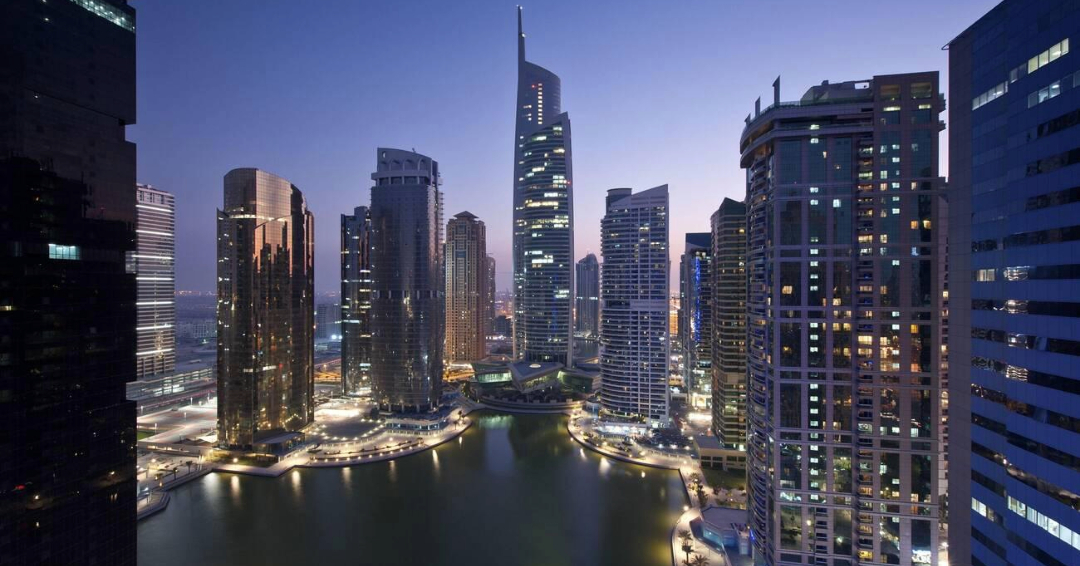
During the City Tour we will visit The splendid Jumeirah Mosque, constructed in 1979, stands as a remarkable representation of contemporary Islamic architecture. It garners the highest visitor numbers and serves as a favoured subject for photography. Visitors are required to dress modestly, with men wearing trousers and women covering their arms and heads with scarves. Access to the mosque is limited to Sundays and Thursdays.
Stays will be allocated based on availability or similar category
Stay Category : Premium
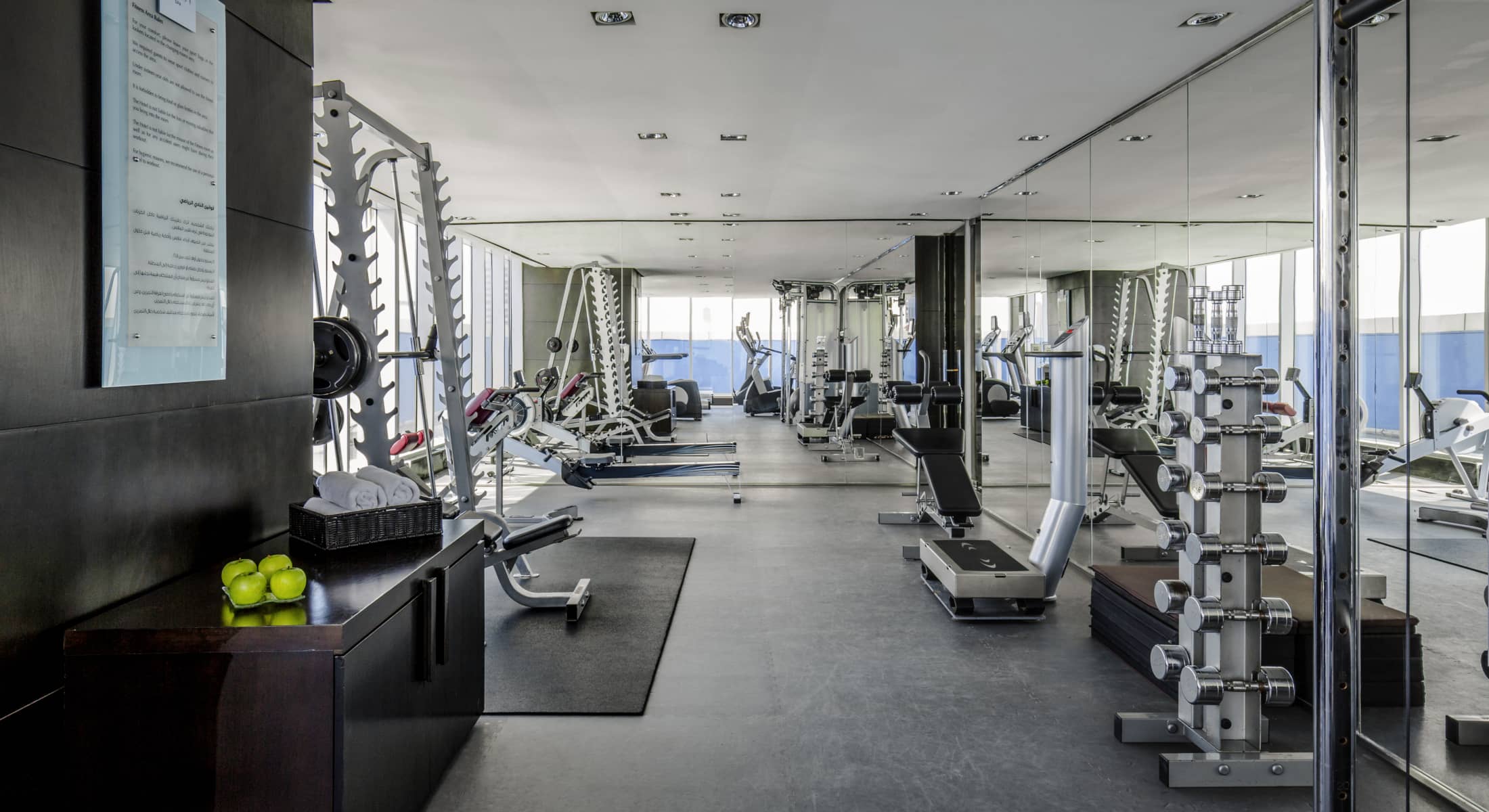
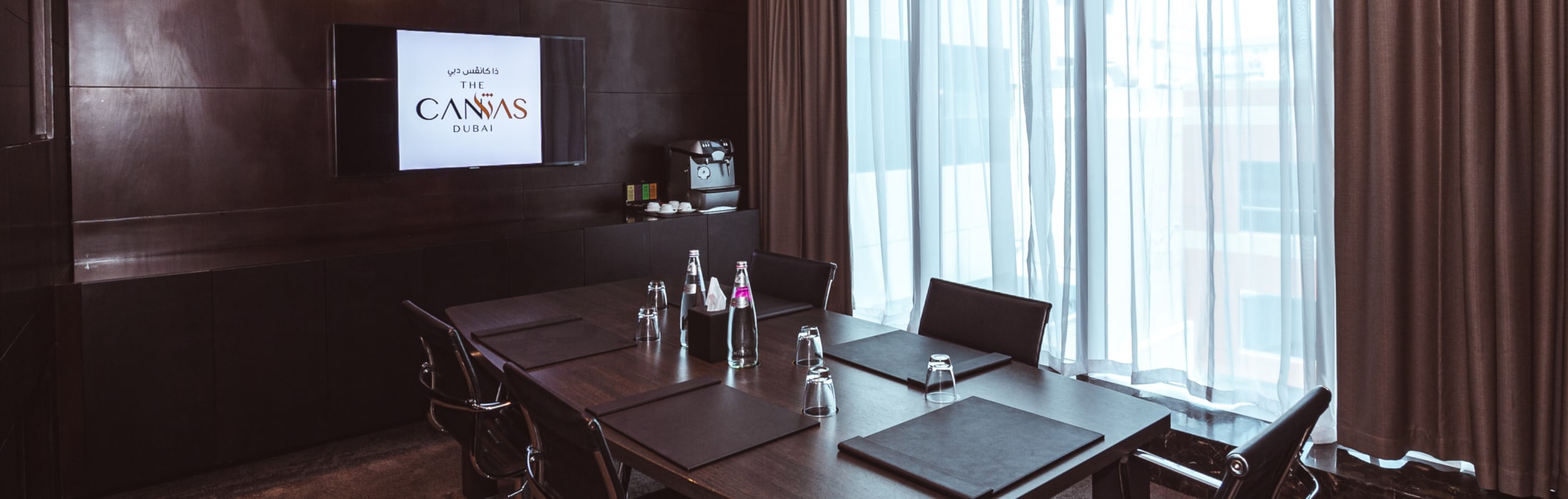
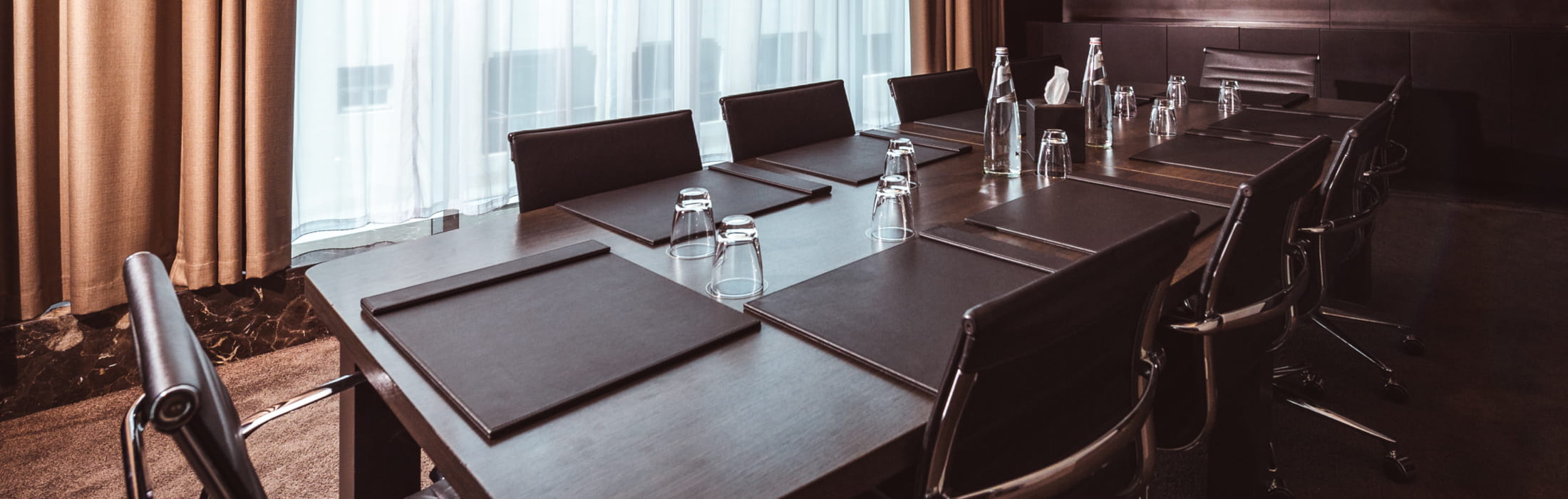
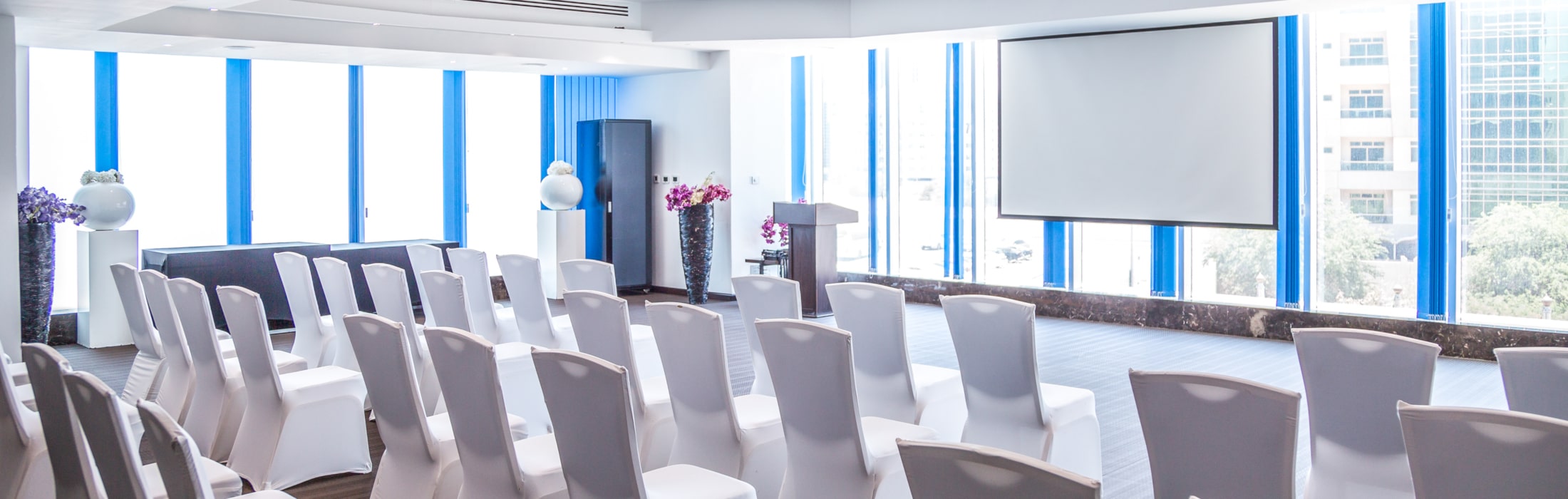
Hotel Name : The Canvas Dubai- MGallery Hotel
Private Transfer
Sightseeing Pickup
Private Transfer
Return Pickup
Visa Information
Visa Requirements : Visa required.
Visa Type : E-Visa
- fdsdf
- fdsdf
- fdsdf
- fdsdf
Price
| Period | Standard | Superior | Deluxe |
|---|---|---|---|
| Valid from 16 Apr to 30 Sep | $ 1943 Per Person | $ 1999 Per Person | $ 2121 Per Person |
| Valid from 01 Oct to 15 Apr | $ 2289 Per Person | $ 2376 Per Person | $ 2728 Per Person |
Accommodation
| Cities | Standard | Superior | Deluxe |
|---|---|---|---|
| Mandawa | Castle Mandawa | Castle Mandawa | Castle Mandawa |
| Neemrana | Neemrana Fort Palace | Neemrana Fort Palace | Neemrana Fort Palace |
| Bikaner | Laxmi Niwas Palace | Laxmi Niwas Palace | Lalgarh Palace |
| Jaisalmer | Fort Rajwada | Fort Rajwada | Fort Rajwada |
| Khimsar | Welcome Hotel Khimsar | Welcome Hotel Khimsar | Welcome Hotel Khimsar |
| Rohet | Rohet Garh | Rohet Garh | Rohet Garh |
| Deogarh | Deogarh Mahal | Deogarh Mahal | Deogarh Mahal |
| Udaipur | Fateh Niwas | The Lalit Laxmi Vilas Palace | Fateh Prakash Palace |
| Delhi | Park Inn by Radisson | The Park | The Lalit |
Important Information
- Small supplements may apply for travel between 25th October and 15th November, 20th December and 05th January and during the month of February.
- All the figures quoted above are net per person in US Dollars.
- Accommodation on twin sharing, bed & breakfast basis at the selected categories of hotels.
- Ground transportation as mentioned in the itinerary using an air-conditioned car.
- Sightseeing tours as per the itinerary along with an English speaking guide and including entrance fees to the monuments.
| CANCELLATION NO. OF DAYS PRIOR TO DEPARTURE | % OF CANCELLATION CHARGES PER PERSON |
|---|---|
| Less than 72 hours or No Show | No Refund |
| 06 days - 72 hours prior to arrival | 90% of the Tour |
| 30 - 07 days prior to arrival | 75% of the Tour |
| 60 - 31 days prior to arrival | 40% of the Tour |
Royal Rajasthan
13 Nights - 14 days
 Starts Location From
Delhi
Starts from
$ 1943 per Person
Customer Support
 18, Community Center, Zamrudpur, New Delhi – 110048 (India)
 (0930 to 1800 Hrs, Monday - Saturday)
- +91 11 47208000
 info@transindiaholidays.com
Book your dream holiday
What’s inside the package?
Inclusions
- Accommodation based on double or twin sharing with open buffet breakfast
- 3-night hotel accommodation in Hanoi.
- Half day guided city tour in Hanoi with water puppet show
- One day guided tour to visit Ninh Binh (Dinh & Le temples), with 1,5hr boat sampan included
- One day guided tour to visit Halong Bay on a 4- to 5-hour cruise with sea food lunch included
- Meals as mentioned (B= Breakfast, L= Lunch, D= Dinner)
- Professional English-speaking guide
- Private tour and return airport transfers in luxury non-smoking vehicle
- All entrance fees as indicated in the tour program.
- Daily mineral water during tour day (2x500ml)
- 01 FOC for a group of minimum 18 paying pax
- 02 FOC for a group of minimum 30 paying pax
- FOC on twin sharing basis
- Tips
- Government tax & service charge
Exclusions
- Other meals than mentioned
- Other services than mentioned
- International and Domestic Flights
- Laundry, telephone calls and expenditure of a personal nature
- Travel insurance
- Visa
Similar tours
We recommend similar tour packages based on your search.

10 Nights - 11 Days
Splendors of North India
2N Munar | 1N cochin
 Mattupetty Dam
- Padmanabhaswamy Temple
- 4 star Accommodation
Start from
$ 1759

15 Nights - 16 Days
Colorful Rajasthan
2N Munar | 1N cochin
- Mattupetty Dam
- Padmanabhaswamy Temple
- 4 star Accommodation
Start from
$ 2149

12 Nights - 13 Days
India in Style with Ranthambore
2N Munar | 1N cochin
- Mattupetty Dam
- Padmanabhaswamy Temple
- 4 star Accommodation
Start from
$ 3964

12 Nights - 13 Days
Heritage of North India and Nepal
2N Munar | 1N cochin
- Mattupetty Dam
- Padmanabhaswamy Temple
- 4 star Accommodation
Start from
$ 2052

13 Nights - 14 Days
Royal Rajasthan with Heritage Hotels
2N Munar | 1N cochin
- Mattupetty Dam
- Padmanabhaswamy Temple
- 4 star Accommodation
Start from